




Apr 16, 2006
Neurofeedback for the Treatment of Epilepsy
Foundation and Practice of Neurofeedback for the Treatment of Epilepsy.
Appl Psychophysiol Biofeedback. 2006 Apr 14;
Authors: Sterman MB, Egner T
This review provides an updated overview of the neurophysiological rationale, basic and clinical research literature, and current methods of practice pertaining to clinical neurofeedback. It is based on documented findings, rational theory, and the research and clinical experience of the authors. While considering general issues of physiology, learning principles, and methodology, it focuses on the treatment of epilepsy with sensorimotor rhythm (SMR) training, arguably the best established clinical application of EEG operant conditioning. The basic research literature provides ample data to support a very detailed model of the neural generation of SMR, as well as the most likely candidate mechanism underlying its efficacy in clinical treatment. Further, while more controlled clinical trials would be desirable, a respectable literature supports the clinical utility of this alternative treatment for epilepsy. However, the skilled practice of clinical neurofeedback requires a solid understanding of the neurophysiology underlying EEG oscillation, operant learning principles and mechanisms, as well as an in-depth appreciation of the ins and outs of the various hardware/software equipment options open to the practitioner. It is suggested that the best clinical practice includes the systematic mapping of quantitative multi-electrode EEG measures against a normative database before and after treatment to guide the choice of treatment strategy and document progress towards EEG normalization. We conclude that the research literature reviewed in this article justifies the assertion that neurofeedback treatment of epilepsy/seizure disorders constitutes a well-founded and viable alternative to anticonvulsant pharmacotherapy.
20:53 Posted in Biofeedback & neurofeedback | Permalink | Comments (0) | Tags: Positive Technology
Emotion mapping
Via the Observer
30-year-old artist Christian Nold has created a "emotion mapping" device that allows people to compare their moods with their surroundings. It measures not just major reactions that tend to stick in the memory, but also the degrees of stimulation caused by speaking to a stranger, crossing the road or listening to birdsong. 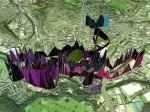 Emotion mapping is the result of the combination of two existing technologies: skin galvanic response sensor, which records the changing sweat levels on the skin as a measure of mental arousal and Global Positioning System. By calling up data from the finger cuffs, emotion mapping displays the user's fluctuating level of arousal, expressed as peaks and troughs along the route. So a walk down a country lane might produce only a mild curve. But dashing across a busy road or being confronted by a mugger might show up as a sudden spike.
And here is the tool and what Christian did with it. Its actually worth seeing - especially the "Google Earth" version of the emotionmap:
11:55 Posted in Emotional computing | Permalink | Comments (0) | Tags: Positive Technology